This course is FREE with an Online Subscription

Course Description

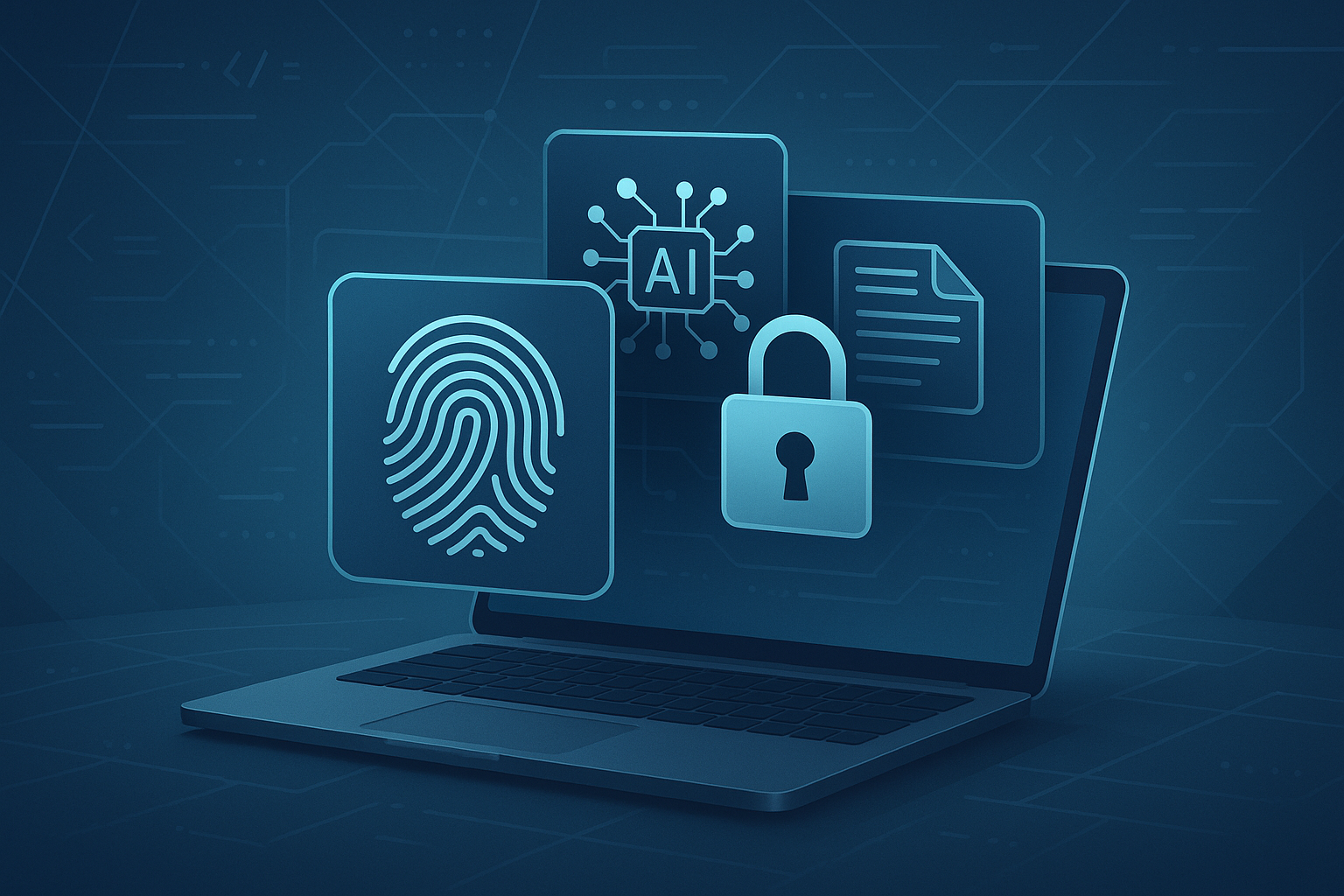
This course is designed for secondary teachers navigating the challenges of student technology use in a digital-first world. Covering key issues such as AI use in the classroom, academic integrity, online safety, and digital wellbeing, the course equips teachers with practical strategies and ready-to-use resources for promoting safe and ethical digital learning.


Audience

Secondary School Teachers 


Teaching Standards

4.5.2 Proficient Level - Create and maintain supportive and safe learning environments - Use ICT safely, responsibly and ethically:  Incorporate strategies to promote the safe, responsible and ethical use of ICT in learning and teaching


FREE with  Online Subscription


Participant Feedback


"This course provided a lot of practical suggestions for straightforward ways to modify teaching and assessment practice, acknowledging the existence of AI without becoming too punitive and while encouraging ethical behaviour by students."


"The course was engaging and provided valuable learning opportunities. The content was relevant, and I appreciated the balance between theory and practical applications."


"Very easy and lots of resources."

Course curriculum

  • 1

    Introduction

    • Welcome

    • Acknowledgement of Country

    • Learning Objectives

    • Teaching Standards

  • 2

    Module 1 – The New Cybersafety Landscape

    • Introduction

    • Understanding the Expanded Scope of Cybersafety

    • Legal Responsibilities and School Policy

    • Class Activities

    • Teacher Activity - Create a Classroom Cybersafety Checklist

    • Reflection Question

    • Reference List for Module 1

  • 3

    Module 2 – Digital Boundaries and Identity

    • Introduction

    • Digital Identity and Student Reputation

    • Class Activity - “Digital You” Identity Mapping (Years 7–10)

    • Mental Health and the Online Social Landscape

    • BYOD and Out-of-Class Digital Interaction

    • Class Activity – Online Reputation Audit

    • Practical Classroom Strategies

    • Scenario Activity

    • Reference List for Module 2

  • 4

    Module 3 – Supervising and Embedding AI Use in the Secondary Classroom

    • Introduction

    • How Are Students Using AI Tools?

    • When Does AI Use Become Misuse?

    • Class Activity – Tool Truths – Know Your AI

    • Academic Integrity in the Age of AI

    • Rethinking Academic Integrity

    • AI Use in Years 11–12 – Responsibility, Readiness, and Real-World Relevance

    • Teaching the Process, Not Just the Product

    • Class Activity – The Digital Reflection Log

    • Supporting Student Agency

    • Class Activity – Student-Led Ethics – Building Voice

    • Reflection Question

    • Reference List for Module 3

  • 5

    Module 4 – Planning for Digital Integrity: Curriculum, Assessment and Classroom Practice

    • Introduction

    • Curriculum Connections

    • Subject Specific Entry Points

    • Redesigning Tasks for Digital Integrity

    • Authentic Assessment and Academic Integrity

    • Curriculum Planning Tools

    • Teacher Activity - Embed Cybersafety or AI Ethics in Your Program

    • Scenario Activity – A Familiar Task?

    • Reference List for Module 4

  • 6

    Course Feedback

    • Course Feedback

Features of TTA Online PD

  • Availability

    Online courses are available 24/7. Designed to be done in your own time at your own pace.

  • Money back Guarantee

    If you complete less than 25% of an online course and aren't completely satisfied, let us know, and we will cancel your enrolment and provide a full refund.