This course is FREE with an Online Subscription

Course Description

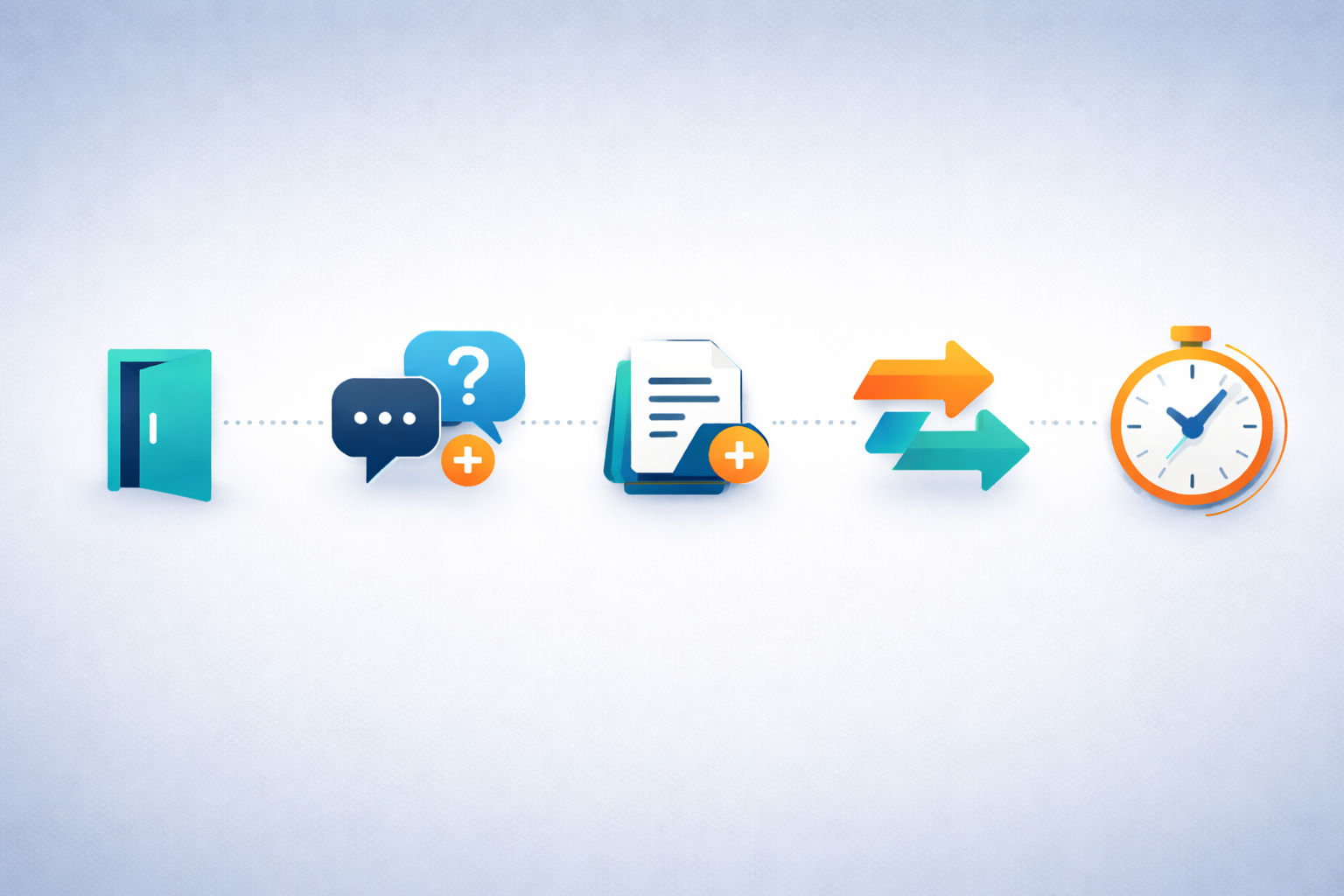
This practical  course helps secondary teachers reduce interruptions, improve transitions and lower daily decision fatigue using five simple, repeatable micro-routines. Focused on classroom systems — not lesson redesign — it provides clear scripts and implementation tools to help teachers run smoother, calmer lessons across multiple classes each day.


Audience

Secondary Teachers


Teaching Standards

4.2.2 Proficient Level - Create and maintain supportive and safe learning environments - Manage classroom activities:  Establish and maintain orderly and workable routines to create an environment where student time is spent on learning tasks

4.1.2 Proficient Level - Create and maintain supportive and safe learning environments - Support student participation:  Establish and implement inclusive and positive interactions to engage and support all students in classroom activities


FREE with  Online Subscription

Course curriculum

  • 1

    Introduction

    • Welcome

    • Acknowledgement of Country

    • Learning Objectives

    • Teaching Standards

  • 2

    Module 1 – Where Flow Breaks in Secondary Classrooms

    • Introduction

    • Why Friction Feels Worse in Secondary

    • What Is “Classroom Flow” in Secondary?

    • Common Secondary Friction Points

    • Case Study: Year 9 English

    • Why Micro-Routines Work in Secondary Classrooms

    • Resource – Friction Snapshot

    • Reflection Question

    • The 5 Micro-Routines Overview

  • 3

    Module 2 – Micro-Routine 1: The Do Now Entry Protocol

    • Introduction

    • What Is a Do Now Entry Protocol?

    • Do Now - Subject-Specific Examples

    • Teaching the Do Now (Week 1 Plan)

    • Resource: Do Now Entry Protocol

    • Reflection Question

  • 4

    Module 3 – Micro-Routine 2: The Help Protocol

    • Introduction

    • Why Secondary Students Default to the Teacher

    • What Is a Help Protocol?

    • The Help Protocol - Subject-Specific Examples

    • What Changes When You Use It Consistently

    • Teaching the Help Protocol (Week 1 Plan)

    • Common Secondary Challenges

    • Resource: Help Protocol Planner

    • Scenario Activity

  • 5

    Module 4 – Micro-Routine 3: The Early Finisher Default

    • Introduction

    • Why Early Finishers Create Friction in Secondary

    • What Is an Early Finisher Default?

    • The Early Finisher - Subject-Specific Examples

    • Case Study: Year 9 Technology Classroom

    • Designing a Sustainable Default

    • Teaching the Default (Week 1 Plan)

    • Resource: Early Finisher Protocol

    • Reflection Question

  • 6

    Module 5 – Micro-Routine 4: Tight Transitions

    • Introduction

    • Why Transitions Cost More Than We Think

    • What Is a Tight Transition Script?

    • Transition Script – Subject-Specific Examples

    • The Transition Time Audit

    • Resource: Transition Script Designer

    • Reflection Question

  • 7

    Module 6 – Micro-Routine 5: The 2-Minute Exit Protocol

    • Introduction

    • Why the Final Two Minutes Matter

    • What Is a 2-Minute Exit Protocol?

    • Exit Protocol - Subject-Specific Examples

    • Case Study: Year 10 Maths

    • Teaching the Exit Protocol

    • Resource: 2-Minute Exit Blueprint

    • Scenario Activity

    • Wrap up

    • Reference List

  • 8

    Course Feedback

    • Course Feedback

Features of TTA Online PD

  • Availability

    Online courses are available 24/7. Designed to be done in your own time at your own pace.

  • Money back Guarantee

    If you complete less than 25% of an online course and aren't completely satisfied, let us know, and we will cancel your enrolment and provide a full refund.