This course is FREE with an Online Subscription

Course Description

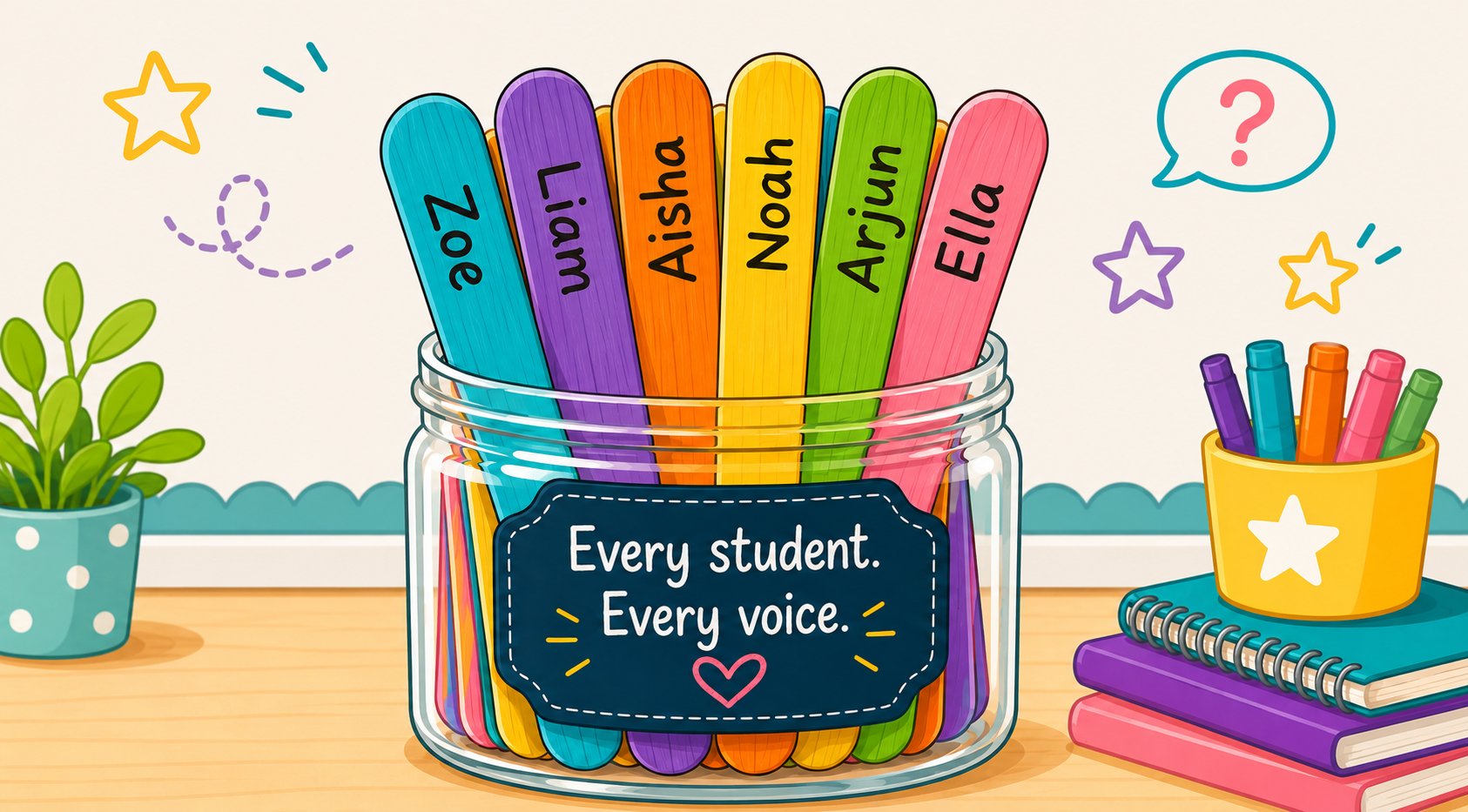
Cold calling is often misunderstood in classrooms. When used poorly, it can increase anxiety and reduce participation. However, when implemented thoughtfully, it can become a powerful strategy for increasing student thinking, engagement, accountability, and equity of voice. This course helps teachers build calm, predictable participation routines that move beyond “hands up” culture and support all students to think deeply, participate safely, and contribute confidently. 


Audience

Primary Teachers


Teaching Standards

3.3.2 Proficient Level - Plan for and implement Effective Teaching and Learning - Use teaching strategies:  Select and use relevant teaching strategies to develop knowledge, skills, problem-solving, and critical and creative thinking

4.1.2 Proficient Level - Create and maintain supportive and safe learning environments - Support student participation: Establish and implement inclusive and positive interactions to engage and support all students in classroom activities


FREE with  Online Subscription

Course curriculum

  • 1

    Introduction

    • Welcome

    • Acknowledgement of Country

    • Learning Objectives

    • Teaching Standards

  • 2

    Module 1 – Why “Hands Up” Limits Participation

    • Introduction

    • Why Participation Patterns Matter

    • Common Challenges with “Hands Up”

    • What Cold Calling Changes

    • Research Spotlight

    • Practical Strategies

    • Reflection Activity

    • Video: Teach Like a Champion – Cold Call

    • Resource: Participation Audit Template

    • Application Activity

  • 3

    Module 2 – What Effective Cold Calling Looks Like

    • Introduction

    • What Is Effective Cold Calling?

    • Key Principle: Thinking Before Talking

    • Effective Cold Calling Follows a Clear Structure

    • Practical Strategies for Effective Cold Calling

    • Practical Strategies for Effective Cold Calling

    • Classroom Example

    • Resource: Cold Calling Sentence Stem Bank

    • Reflection Question

    • Application Activity

  • 4

    Module 3 – Supporting Reluctant Learners

    • Introduction

    • Why Some Students Avoid Participation

    • Building Participation Confidence

    • Strategy 1: Allow Students to “Pass and Return”

    • Strategy 2: Break Questions Into Smaller Steps

    • Strategy 3: Validate Partial Answers

    • Strategy 4: Gradually Increase Participation Challenge

    • Strategy 5: Respond Calmly When Students Don’t Know

    • Supporting Different Types of Hesitant Learners

    • Resource: Supporting Reluctant Learners Guide

    • Scenario Activity

    • Example Response to the Scenario

    • Application Activity

  • 5

    Module 4 – Building a Classroom Culture of Thinking

    • Introduction

    • Moving From Strategy to Culture

    • Why Consistency Matters

    • Strategy 1: Mix Volunteers and Cold Calling

    • Strategy 2: Rotate Participation Intentionally

    • Strategy 3: Keep Expectations Calm and Clear

    • Strategy 4: Avoid Using Cold Calling for Behaviour Management

    • Strategy 5: Build a Culture Where Mistakes Are Normal

    • Building Participation Over Time

    • Resource: Participation Routine Planner

    • Reflection Question

    • Application Activity

    • Wrap-Up

    • Reference List

  • 6

    Course Feedback

    • Course Feedback

Features of TTA Online PD

  • Availability

    Online courses are available 24/7. Designed to be done in your own time at your own pace.

  • Money back Guarantee

    If you complete less than 25% of an online course and aren't completely satisfied, let us know, and we will cancel your enrolment and provide a full refund.